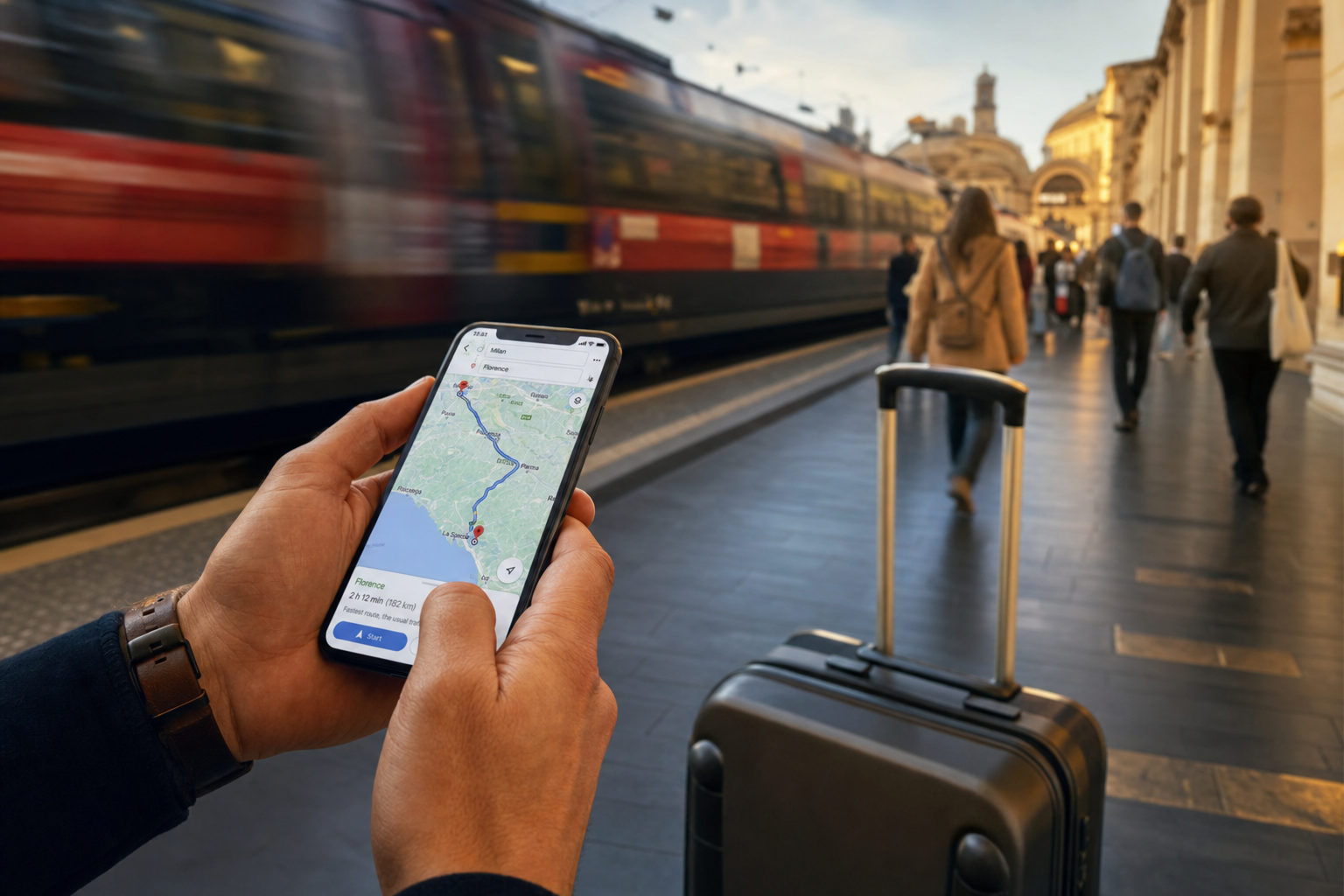
I travel often enough that I've tried most of the apps people recommend and settled into a fairly stable set of ones I actually use. The turnover in my travel apps over five years has been significant – things I thought were essential turned out to be forgotten within a month, and a few things I was initially dismissive of have become genuinely indispensable.
What follows isn't an exhaustive survey of every travel app on the market. It's a specific and opinionated account of what I open when I'm somewhere unfamiliar, and why.
Offline Maps: Maps.me vs Google Maps Offline vs Organic Maps
This is where I'll probably lose some people with the third option, but hear me out.
Google Maps is excellent and most people already have it. Download areas offline before you travel and it covers the vast majority of navigation needs. The restaurant recommendations are useful and the reviews are mostly trustworthy. If you use one maps app, this is the sensible choice.
Maps.me uses OpenStreetMap data and is entirely offline-first. It includes walking trails, mountain paths and small roads that sometimes don't appear in Google Maps. The UI is older and clunkier, but for hiking or exploring rural areas, the detail can be significantly better.
Organic Maps is the less-known alternative I've come to prefer for detailed exploration. Also OpenStreetMap-based, completely free, no ads, noticeably better offline performance, and the map data in some European cities is actually more detailed for pedestrian navigation than Google's. Worth having alongside Google Maps if you travel frequently.
| App | Offline? | Cost | Best For | Weakness |
|---|---|---|---|---|
| Google Maps | Yes (download areas) | Free | General navigation, restaurants | Data-hungry online, limited rural paths |
| Organic Maps | Yes (fully) | Free | Hiking, rural, European cities | No transport routing |
| Maps.me | Yes (fully) | Free (with ads) | General offline backup | Interface feels dated |
| CityMapper | Partial | Free (subscription for full offline) | Public transport in major cities | Limited city coverage |
Transport and Booking
Trainline remains the best single app for rail across the UK and most of Europe. Yes, the booking fees are annoying. Yes, you can sometimes get the same ticket cheaper through a national operator's app. But for multi-country European rail trips, Trainline's coverage and the speed of buying tickets make it worth keeping. The offline ticket storage is reliable in a way that some alternatives aren't.
Skyscanner for flights – the flexible date calendar is genuinely useful for seeing the cheapest days around your preferred travel period. Once you've identified the best flight and date, often it's worth booking through the airline directly rather than via Skyscanner to avoid additional booking layer complications if anything goes wrong.
Flighty is a flight tracker app that I initially thought was a luxury. After a year of using it for anything more than a simple return trip, I'd say it's worth the subscription if you fly more than four or five times a year. Real-time gate information and proactive delay notifications are genuinely better than the airline apps or airport information screens.
Translation
Google Translate with camera mode for reading menus, signs, and documents. Download the relevant language packs before travelling. The accuracy has improved dramatically over the last couple of years – it's not perfect, but it's good enough to navigate most situations confidently.
The camera translation is the feature that gets used most. Being able to point your phone at a menu or a pharmacy shelf and get instant translations in-frame is something I use multiple times per day when travelling somewhere with a language I don't speak.
What I Deleted
TripAdvisor – I stopped trusting the reviews a few years ago and haven't gone back. Too many obviously fake reviews, too much paid placement. For restaurant discovery I use Google Maps reviews, ask locals, or look for places without English menus in the window.
Most airline apps, beyond what I strictly need for boarding passes. They're generally poor quality and push notifications aggressively.
Hotel-specific apps. They're almost invariably worse than just using the hotel's mobile website. The exception is if the app is the only way to use keyless entry, which a few hotels now offer and which is actually useful.
The short list
Google Maps (with downloaded offline areas), Organic Maps (for detail), Trainline (European rail), Skyscanner (flight comparison), Google Translate (with offline language packs). That's genuinely everything most people need. Everything else is optional.