Europe is, by global standards, an expensive destination. But "Europe" is enormous and enormously varied in cost. A week in Lisbon at a reasonable standard costs roughly half what the same week would cost in Zurich. A week in Krakow costs roughly half what the same week would cost in Lisbon. The geography of value in Europe is one of the most underused planning tools for anyone who wants to travel more for the same money.
The Cost Map: Where Your Money Goes Further
| City / Region | Daily Budget (mid-range) | Daily Budget (budget) | Value Tier | Notes |
|---|---|---|---|---|
| Krakow / Warsaw | £45–65 | £25–35 | Excellent value | Food quality exceptional for price |
| Budapest | £45–70 | £28–40 | Excellent value | Thermal baths, good wine, cheap transport |
| Porto / Lisbon | £60–90 | £35–50 | Good value | Rising fast; still better than western Europe |
| Tallinn / Riga / Vilnius | £40–60 | £22–35 | Excellent value | Beautifully preserved old towns |
| Athens / Thessaloniki | £50–75 | £30–45 | Good value | Food culture outstanding |
| Prague / Brno | £50–75 | £28–40 | Good value | Prague busy; Brno underrated |
| Barcelona / Madrid | £80–120 | £45–65 | Average | Great cities, can't pretend it's cheap |
| Paris / Amsterdam | £110–160 | £55–80 | Expensive | Worth it, but budget accordingly |
| Switzerland / Scandinavia | £150–200+ | £80–100+ | Very expensive | Superb but plan budget carefully |
These figures are per person per day, including accommodation, food (three meals), local transport, and one or two paid activities or museum entries. They're approximate and will vary based on season, specific choices, and how you travel.
Transport: The Biggest Variable
Getting there and getting around are usually where the biggest savings are available.
For flights, the general rule is: book further in advance than you think you need to, and be flexible on days of the week. Tuesdays, Wednesdays and Saturdays are often cheaper than Fridays and Sundays for European routes. Budget carriers (Ryanair, easyJet, Wizz Air) cover most European city pairs and are perfectly adequate for the purpose, though the baggage fee situation has become opaque enough to require careful reading. Trainline and Skyscanner remain the most useful tools for comparison.
Night trains are genuinely having a revival across Europe. The Nightjet network (operated by Austrian Federal Railways) now connects several major city pairs – Vienna to Paris, Amsterdam to Zurich, Berlin to Rome – and the economics are compelling: you pay for accommodation and transport simultaneously and wake up somewhere new. Seats are cheaper than couchettes; couchettes are cheaper than private compartments. The private compartments are more expensive than an economy hotel but the experience is different enough to be worth it occasionally.
Accommodation: Where "Budget" Went Wrong
The budget travel gospel of hostels has aged oddly. Hostel dormitories were a sensible budget accommodation option when the alternative was expensive hotels. Now there's a substantial middle ground of well-reviewed budget hotels, Airbnbs, and apartment rentals that in many cases offer better value than a hostel dorm at not much more cost.
Booking.com's genius rates and secret deals, applied to smaller 3-star hotels in city centres, regularly produce rooms in the £40–70 range in cities where they'd normally cost £90+. These aren't luxury hotels, but they're private rooms with en-suite bathrooms and usually a decent breakfast option nearby, which is what most people actually want.
The genuinely budget option I'd recommend: apartments via Booking.com or Airbnb for stays of three days or more, particularly if you're travelling with a partner or friend. A two-person apartment in Krakow or Budapest at £50–70 per night is extraordinary value and gives you a kitchen for at least some meals.
Food: Eating Well for Less
The single most reliable principle: eat where the menus aren't in English. In any tourist area, there's a radius around the major attractions within which prices are elevated and quality has declined to serve volume. Walk fifteen minutes in any direction and you'll usually find places that serve locals, where a full lunch with a drink is £7–12 rather than £18–25.
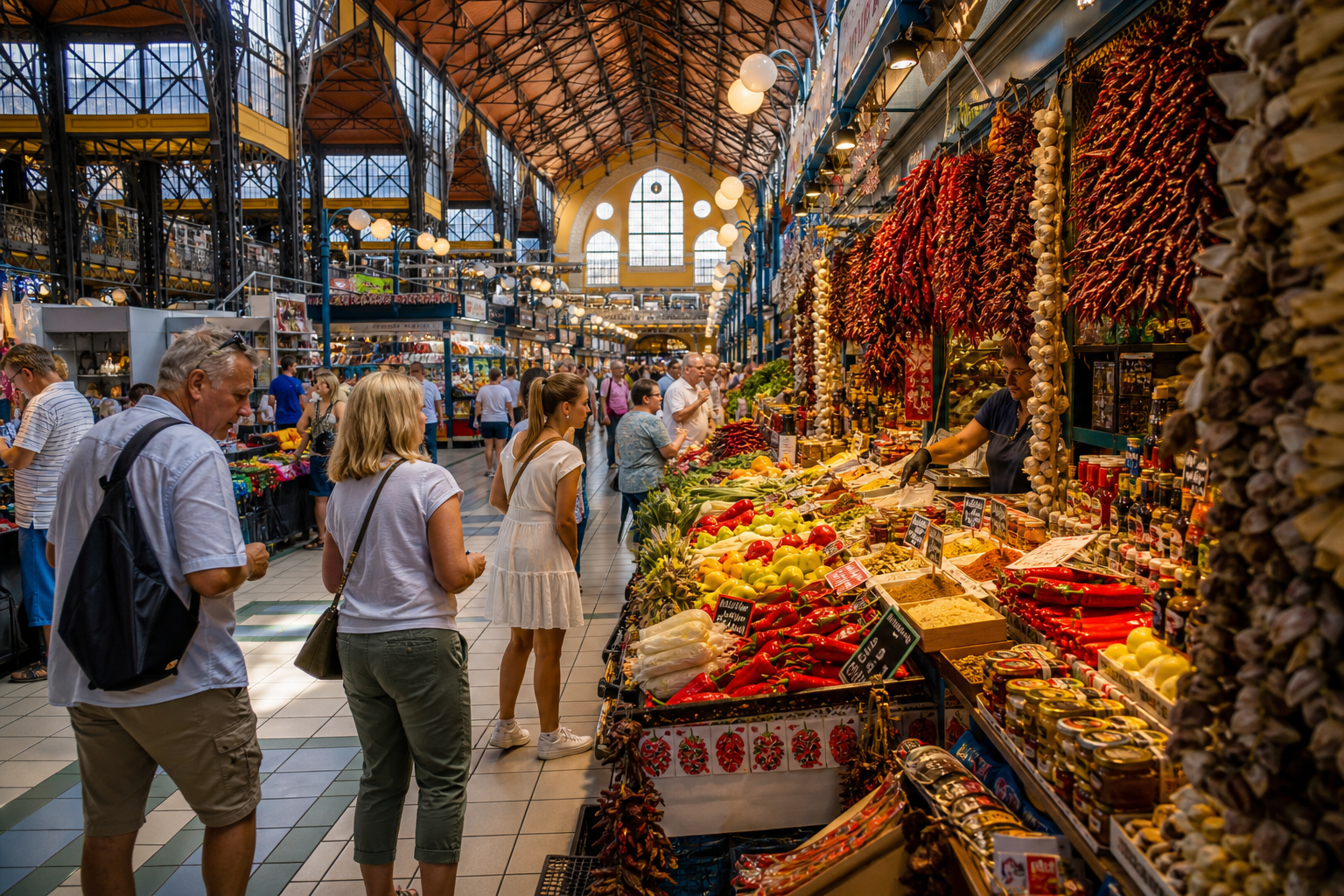
Markets are almost universally better than restaurants for breakfast and lunch in southern and eastern Europe. The market halls in Budapest, Krakow, Riga and Athens are genuinely excellent – good food, reasonable prices, and a better sense of how people actually eat in that city than you'll get from anywhere that caters mainly to tourists.
The budget summary
The easiest single change: go east. Krakow, Budapest, the Baltic capitals, Athens – cities with extraordinary history, food culture and architecture that are routinely cheaper than their western equivalents – often significantly so, depending on the destination. If western Europe is what you want, book flights and accommodation early and walk away from tourist areas for food. The savings come from choices, not deprivation.